
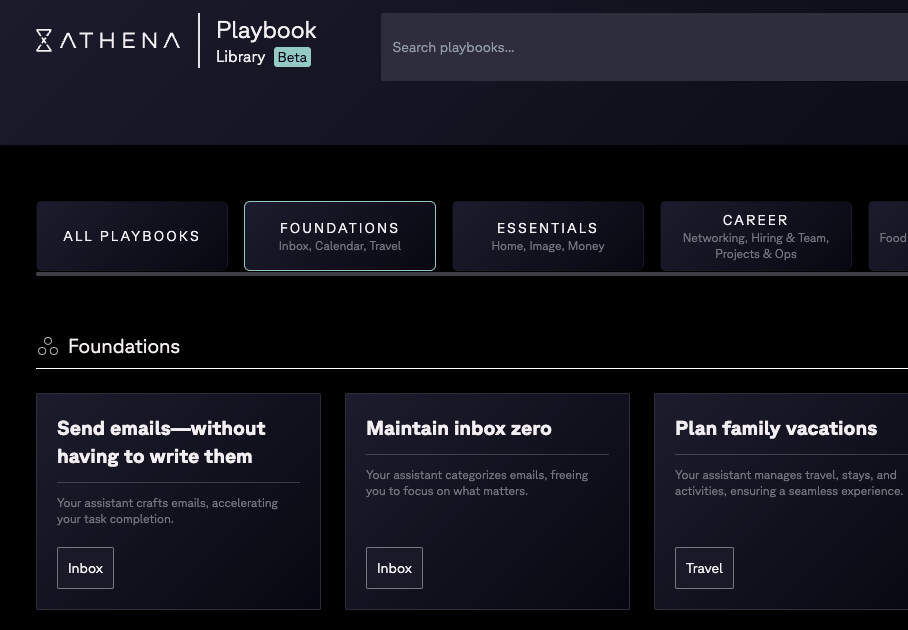
- Top 1% of 30-60k monthly applicants, with structured training and coaching
- Work and personal support, no separation between task types
- AI-enhanced workflows. Flat monthly fee. Athena manages employment.
Where I found the right executive assistant:
Winner: Athena
★★★★★ ★★★★★ 4.8 of 5
Pros
- A true full-time, one-to-one EA relationship. Your Executive Assistant (EA) is dedicated to you, not shared across multiple people.
- Working hours and time zone overlap are part of the matching. That matters more than it sounds when you’re moving fast.
- High hiring bar, plus structured training and ongoing coaching. Athena says they select the top 1% of 30-60k+ monthly applicants.
- Support spans work and personal logistics, so you can offload the things that actually create mental clutter, not just “work tasks.”
- Athena manages employment (training, benefits, management, and support). You pay a flat monthly fee instead of running hiring and HR.
- AI is part of the workflow. The EA can move faster on drafts, summaries, and research without losing judgment and taste.
- Security and accountability are treated like a real product requirement (company-managed devices, monitoring, and protections that make it easier to delegate).
Cons
- If you only need a few hours a week, a strong freelancer can be a better value.
- Athena EAs are dedicated assistants and cannot be shared between people.
What I like
Athena addressed both concerns that held me back: ROI and trusting someone with my full life, not just work tasks.
The “what to delegate” problem solved itself. My EA didn’t need a list from me. She started learning my working style, observing my patterns, and gradually taking ownership of more. She figured out what was worth delegating by watching what slowed me down. I didn’t have to become a delegation expert, she became one for me.
The ROI became obvious within weeks. I tracked 20 hours back in month one alone. But the real value is the compounding effect. She doesn’t just do what I ask. She anticipates what I’ll need, closes loops without me following up, and makes decisions that used to require my time and mental energy.
The full-life context is what makes it work. She manages board prep and birthday parties with equal competence. That breadth of knowledge means she can see conflicts coming and handle them before they become my problem.
What’s missing
While not a complete miss, you cannot share an EA with other people on your team. So if you would like an EA to support multiple people, you will need to look elsewhere.
That said, I’ve tried both models. The 1:1 setup costs more, but the responsiveness and how deep the working relationship gets makes it completely worth the premium.
Runner Up: Belay
★★★★★ ★★★★★ 4.6 of 5
Pros
- Strong option when U.S. based support is a hard requirement.
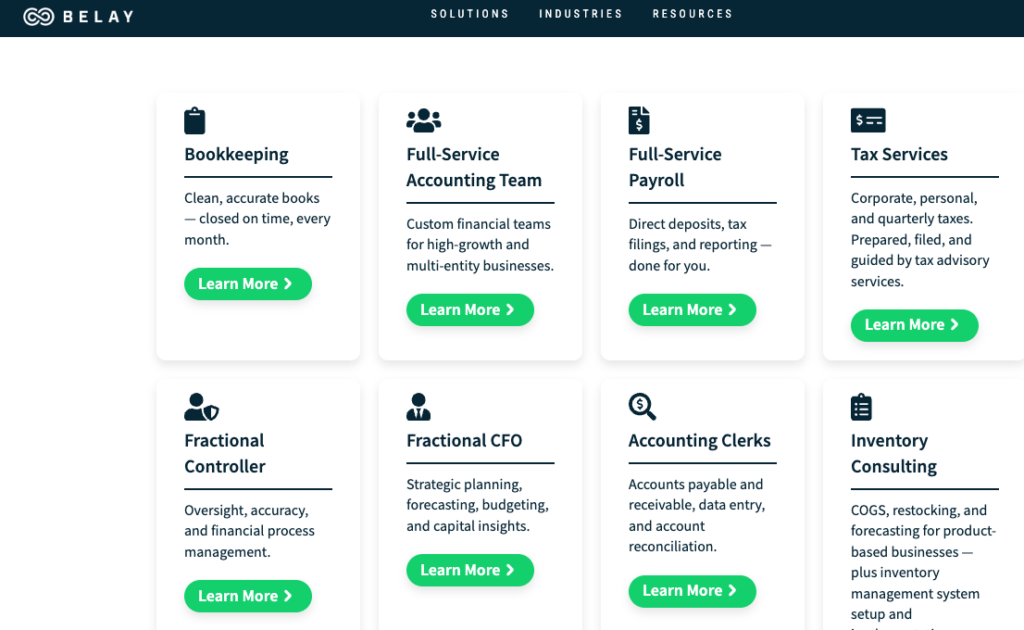
- Professional service model that feels structured.
- Good for consistent admin workflows and steady execution.
- More structured onboarding/matching than DIY marketplaces, which reduces early chaos.
Cons
- Less of the compounding “learn-you-deeply” partnership, depending on fit and how you scope the role.
- You may still need to be the operating system: clearer SOPs, tighter task hygiene, and more steering.
- If you want proactive time protection (not just task completion), you’ll probably need to set that expectation and reinforce it.
What I like
Belay read as credible when I researched it. If you care most about having someone U.S. based and you’ve already got a clean set of repeatable tasks, it’s a straightforward choice.
It also seems like a solid option for operators who want help running a consistent admin routine, without aiming for a “one person who knows my whole life” relationship.
What’s missing
More built-in support around follow-through and time protection. Plenty of services can complete tasks. The hard part is making sure the tasks you delegate reliably turn into fewer tabs open in your head.
If you go this route, I’d treat success as a process project: define what gets owned end-to-end (not just started), set response expectations, and create a weekly cadence so things don’t drift.
Wing Assistant
★★★★★ ★★★★★ 4.5 of 5
Pros
- Often a strong value option compared to premium, dedicated EA models.
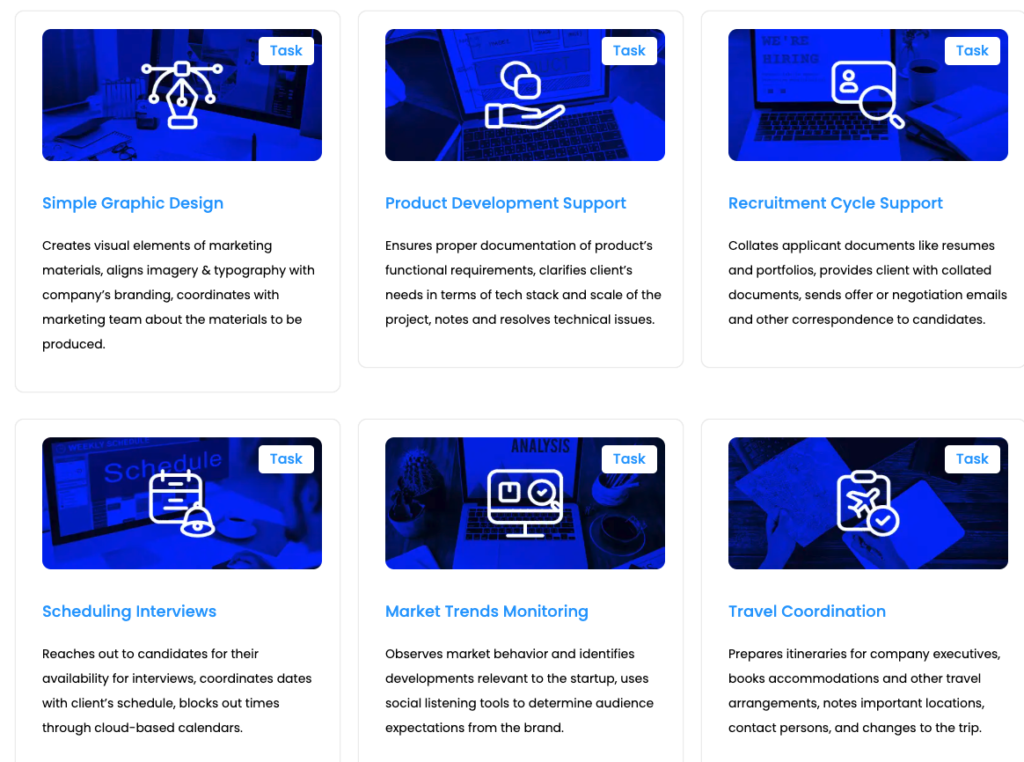
- A managed layer can reduce some of the sourcing and admin that comes with hiring on your own.
- Broad set of support categories, which can help if you want coverage across a few functions.
- Works best when tasks are well-defined and repeatable.
- You can share your EA with colleagues.
Cons
- Executive-level depth can vary depending on who you’re matched with and what you need day to day.
- If you want someone to anticipate and run point, not just execute requests, you may feel friction.
What I like
Wing can make sense if budget is the main constraint and you still want a managed service rather than going fully DIY. For a predictable task list, it seems like it can be a practical setup.
I’d look at it the same way I look at any “good value” ops tool: it shines when the workflow is stable. If your needs change every week, the experience can start to feel more like task dispatch than partnership.
What’s missing
A clearer “executive-grade” bar and stronger proactive behavior. If you’re constantly translating what you mean, the time savings shrink fast.
If someone chooses Wing, I’d recommend investing early in a small set of SOPs, examples, and a request system. Without that, the output can be uneven even if the intent is good.
Magic
★★★★★ ★★★★★ 4.4 of 5
Pros
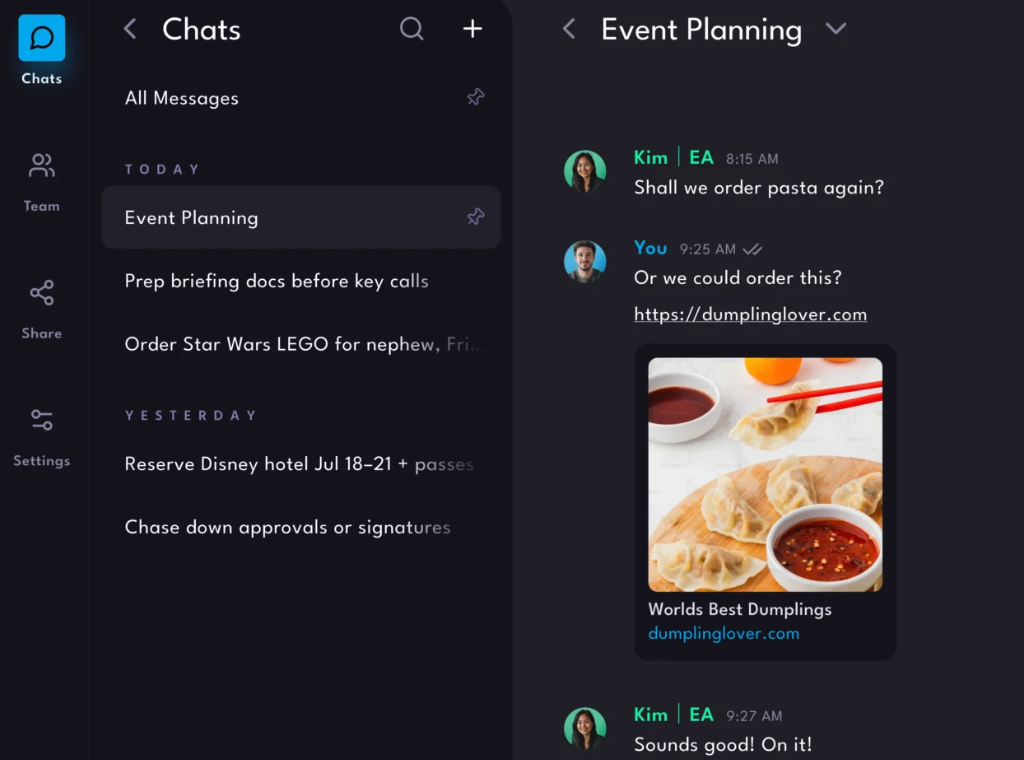
- Flexible for on-demand, discrete tasks when you don’t want a full-time commitment.
- Strong for research, lists, vendor comparisons, and quick execution bursts.
- Fast to start if you already know what to delegate and can write clean requests.
- Useful when your workload comes in spikes, not a steady weekly rhythm.
- Best as overflow capacity, fast to start when you already know what to delegate.
Cons
- Lower continuity than a dedicated EA partnership, so context resets more often.
- Harder to get the “owns it end-to-end” behavior that protects your time.
- It’s less of a compounding partnership and more of an execution channel.
What I like
Magic is useful when you want flexible throughput. If you have a clear request pipeline, it can be a reliable way to get small projects and research done quickly.
I’d put it in the category of “very helpful execution” when you’re specific. If you’re vague, the back-and-forth can eat the time you were trying to save.
What’s missing
Long-term context ownership. If your goal is proactive follow-through and time protection, a dedicated model usually wins because the assistant can build deep context and act without constant re-briefing.
If you choose a service like this, the best move is to standardize your requests (templates, checklists, a single place for preferences). Otherwise you’ll repeat yourself more than you expect.
Upwork / Freelancer
★★★★★ ★★★★★ 3.8 of 5
Pros
- Huge selection and broad price range.
- Great for specialists and one-off projects.
- Easy to test small tasks quickly.
Cons
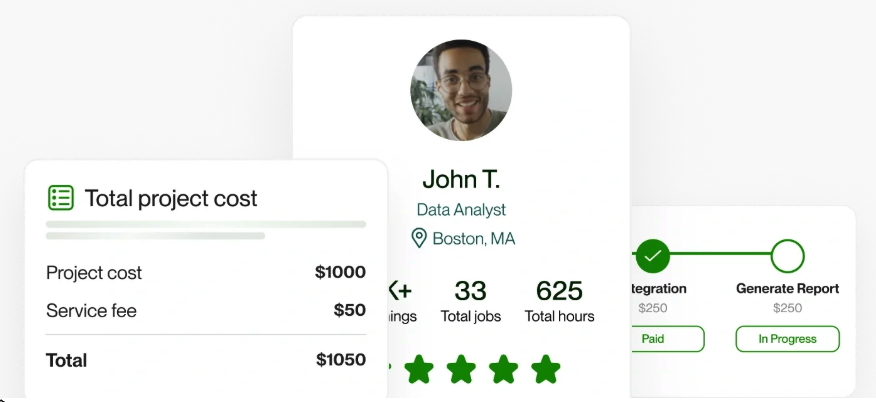
- Highest management overhead: sourcing, onboarding, quality control, and replacements are on you.
- Quality varies widely, and context gets lost when you switch contractors.
- Harder to build compounding executive context unless you invest real time into management.
- Security and accountability are up to you to set up and enforce.
What I like
For part-time help, or when you need a very specific skill, marketplaces can be excellent. I’d even start here if you’re not sure you need a full-time EA yet.
It’s also the most “customizable” option. You can hire for your exact niche, change course quickly, and keep things lightweight. For a lot of people, that’s enough.
What’s missing
The management tax. If the goal is relief, marketplaces can backfire unless you already have strong operating discipline. You’re effectively assembling your own “assistant program.”
Why I chose Athena
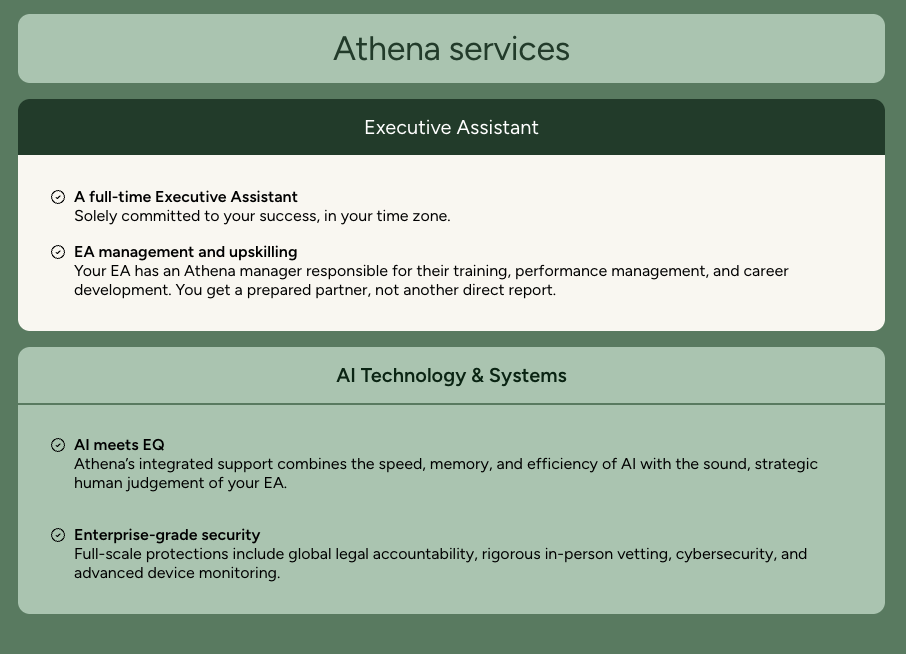
I wanted a full-time executive assistant who could protect my time without creating a new job managing someone. That’s the core reason Athena stood out. They match you with a dedicated Executive Assistant (EA), and the company handles hiring, training, benefits, and ongoing support. I pay a flat monthly fee and focus on delegating, not running HR.
The second piece was schedule overlap. I didn’t want a helper who was asleep when I was working. With Athena, the matching process takes your hours and working style seriously, which makes collaboration feel smoother day to day.
And it wasn’t just about work. I needed someone who could take on personal logistics too, because that’s what actually clears headspace. Some weeks that’s calendar and inbox triage. Other weeks it’s planning a birthday dinner, lining up gifts, and making sure weekday meals are handled.
Last, I’m comfortable delegating more because the security posture feels real. From what I can tell, Athena goes further than most providers: global legal accountability, rigorous in-person vetting, cyber insurance, and company-managed devices with monitoring.